

Water Treatment Flow Balancing Valve Guide
- 2026-07-13 14:22:19
- admin
- NO COMMENTS
Water Treatment Flow Balancing Valve: A Must-Have for Modern Water Management
Understanding Water Treatment Flow Balancing
Definition and Purpose
Walk into a treatment plant during a heavy-load morning shift and you can usually tell where the trouble starts before anyone says a word. One branch line is running louder than it should. A downstream pressure gauge is moving more than it did last week. The operator at the control panel is compensating again, opening one line a little more, closing another, and still the flow across the train refuses to settle. In many field operations, this is how a flow-balancing issue first shows itself: not as a dramatic failure, but as a system that never quite sits still.
A water treatment flow balancing valve is installed to hold the right flow where the process actually needs it, even when pressure in adjacent branches changes. In balancing service, the valve is there to protect design flow, stabilize pressure loss, and prevent one train from stealing water from another. Deppmann’s description of automatic balance valves is useful here: they throttle to create the pressure drop needed to hold design flow, and within their working range, they dynamically maintain that flow as differential pressure changes. That same principle matters in industrial water treatment and wastewater management because uneven distribution affects contact time, chemical dosing consistency, and overall process stability.
Applications in Water and Wastewater Management
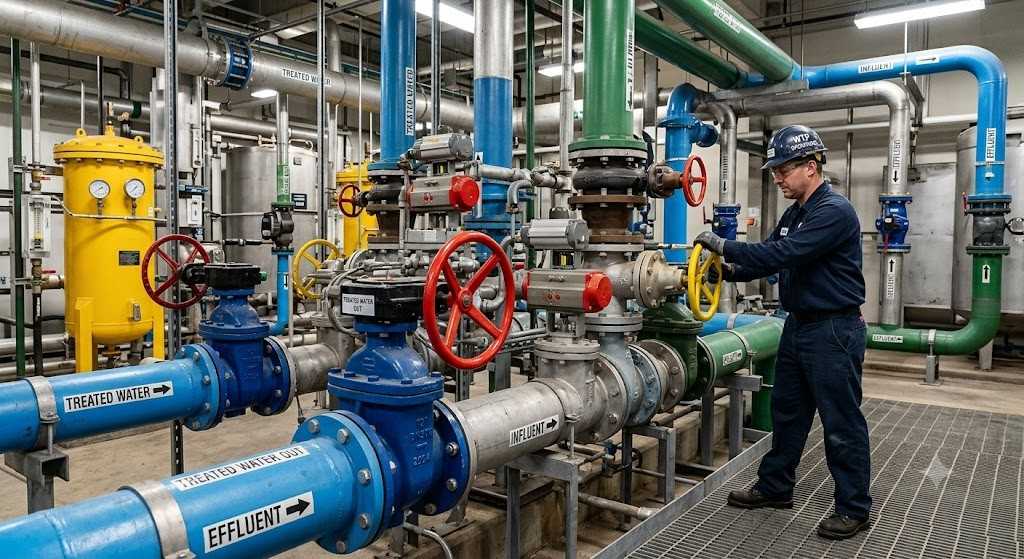
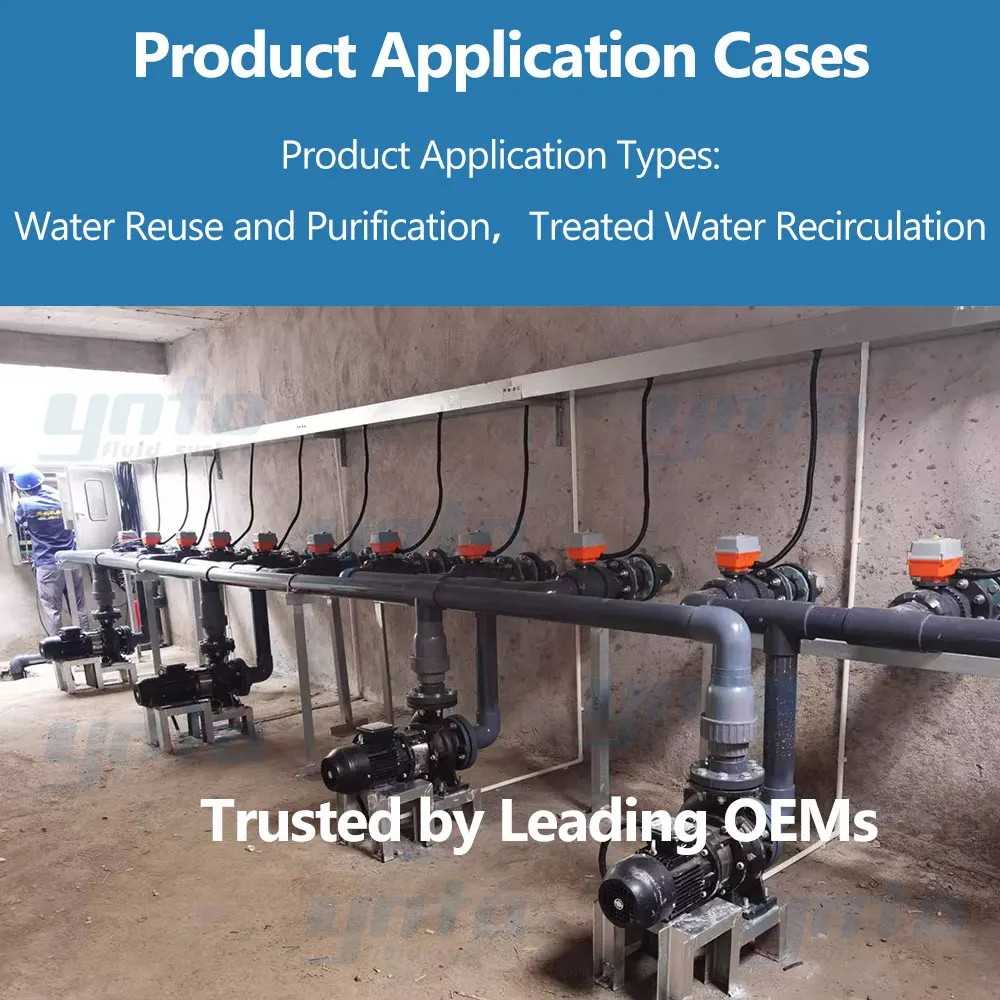
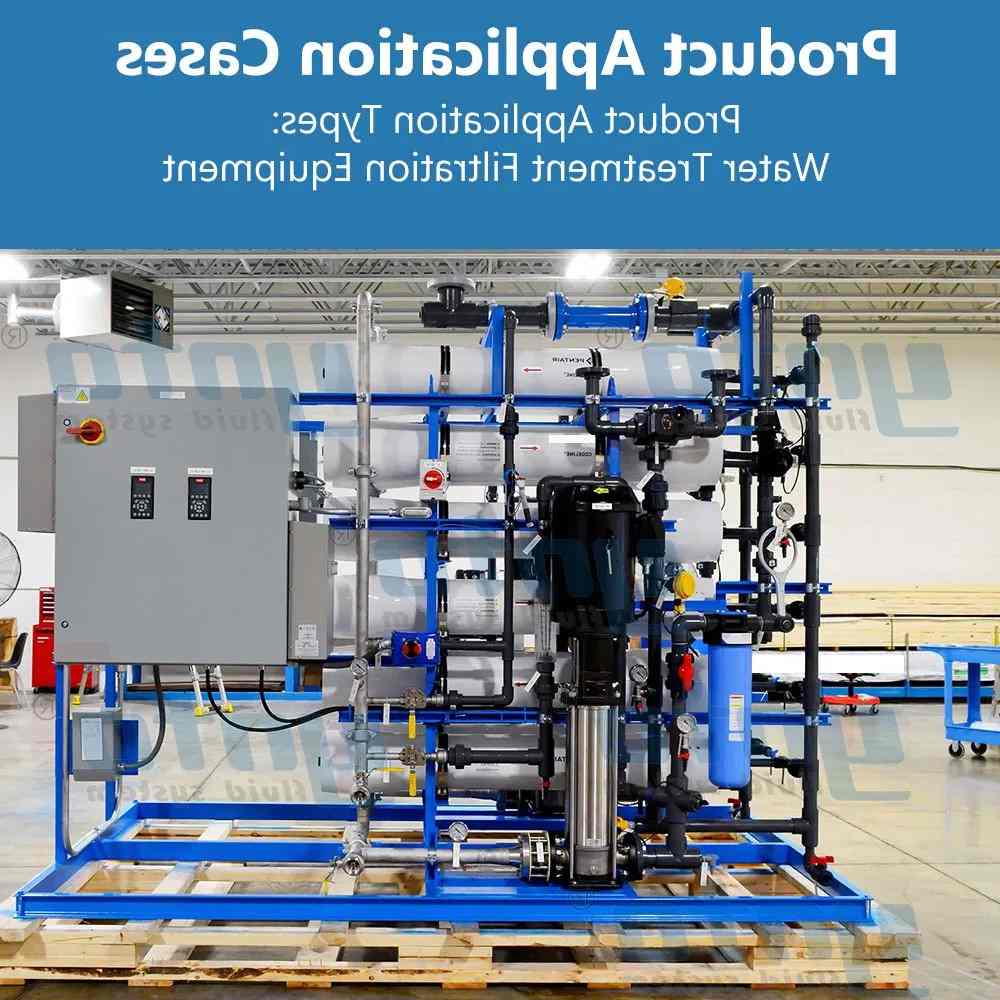
In clean-water systems, balancing valves are commonly used around filters, membrane skids, dosing loops, recirculation lines, and utility water branches. In wastewater management, they become even more valuable because the process rarely sees a constant load for long. Flow equalization, sludge return, raw sewage transfer, grit removal, sampling, polymer feed, and final discharge all depend on stable hydraulic behavior. Red Valve’s wastewater overview shows how broad that application range really is, covering raw sewage, influent flow equalization, grit systems, sludge, and final discharge. Valve Magazine makes the same point from a different angle: wastewater systems are typically split into primary, secondary, and tertiary stages, and valve selection depends heavily on solids content and service conditions.
Engineers working on site often notice a simple cause-and-effect chain. Uneven upstream pressure creates unstable branch flow; unstable branch flow causes overfeeding in one section and underfeeding in another; that imbalance forces pumps and operators to compensate; and the result is lost water treatment efficiency. A balancing valve will not solve every hydraulic design mistake, but it is usually the first component that restores control without major pipework changes.
Key Components of Flow Balancing Valves
Construction Materials and Design
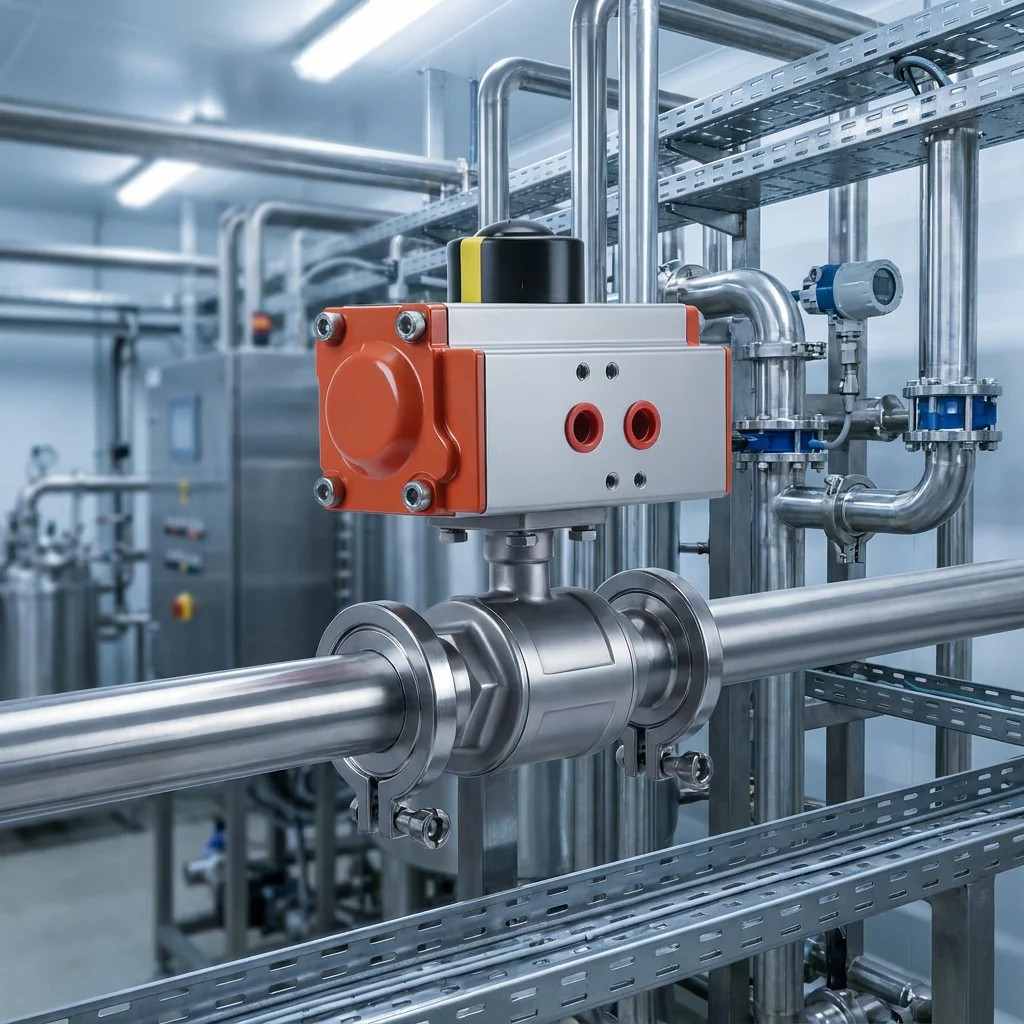
Material selection matters more in water treatment than many purchasing teams expect. If the service is chemically mild and clean, brass or coated iron may be acceptable. But once the line sees chlorides, aggressive cleaning chemicals, or solids-bearing wastewater, the wrong body or seal material starts a predictable failure path: corrosive medium attacks the wetted parts, local pitting forms on the internal surface, sealing quality drops, and service life shortens. Valve Magazine notes that wastewater valves must be suited to fluids containing suspended solids, and also highlights Type 316 stainless-steel internals for corrosive wastewater air-valve service. ASME B16.34, meanwhile, defines requirements around pressure-temperature ratings, materials, testing, and marking for pressure valve construction.
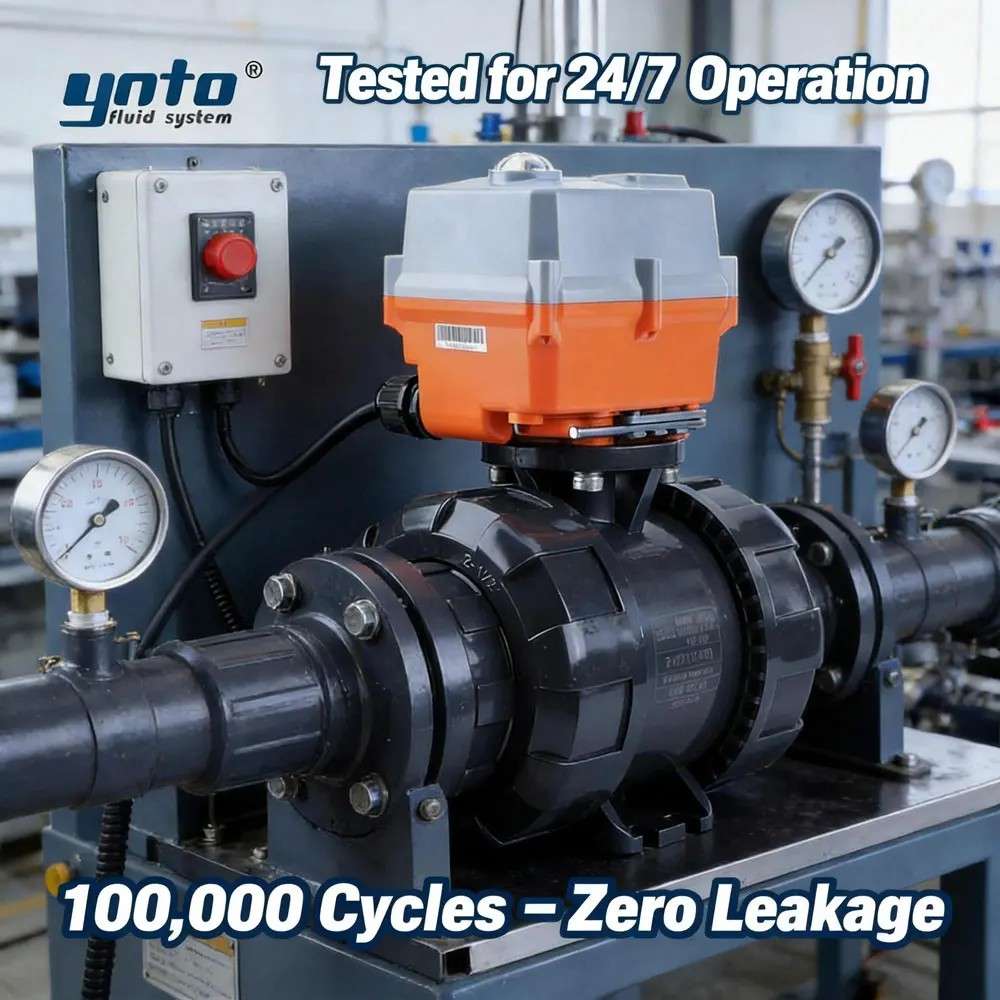
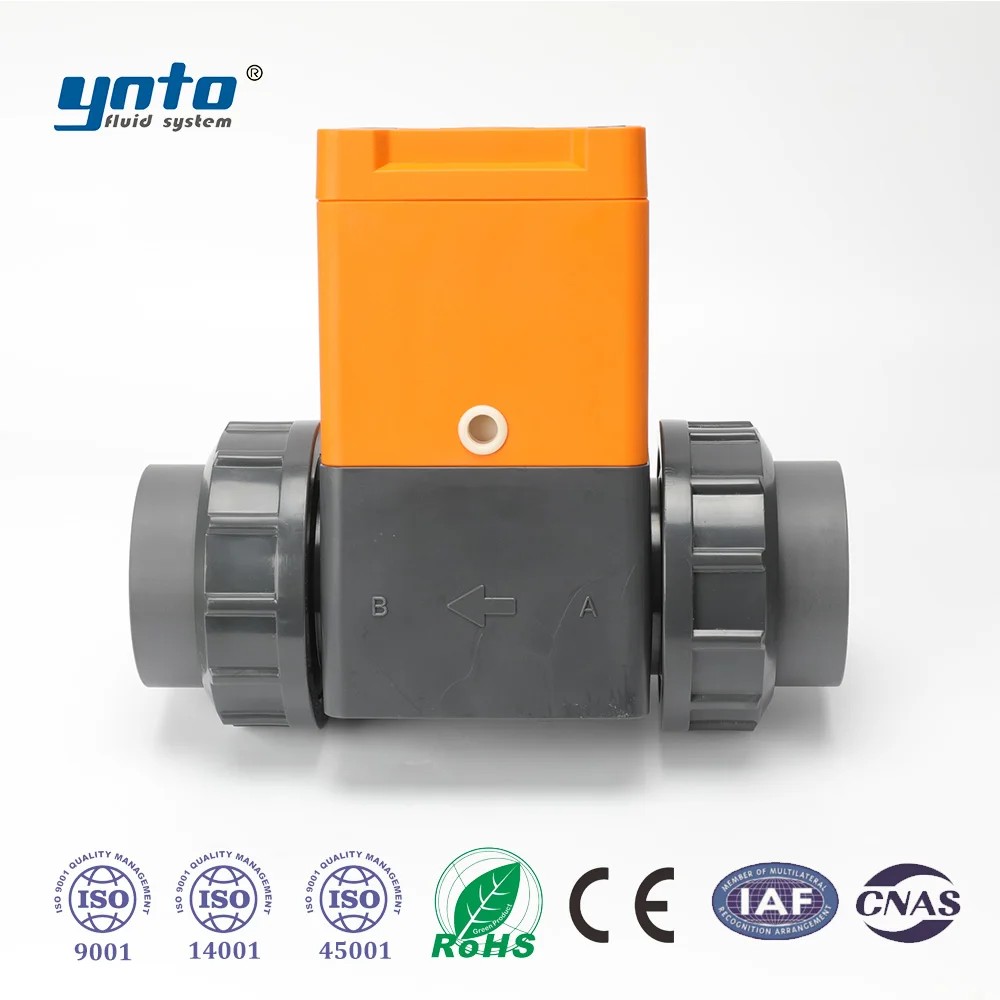
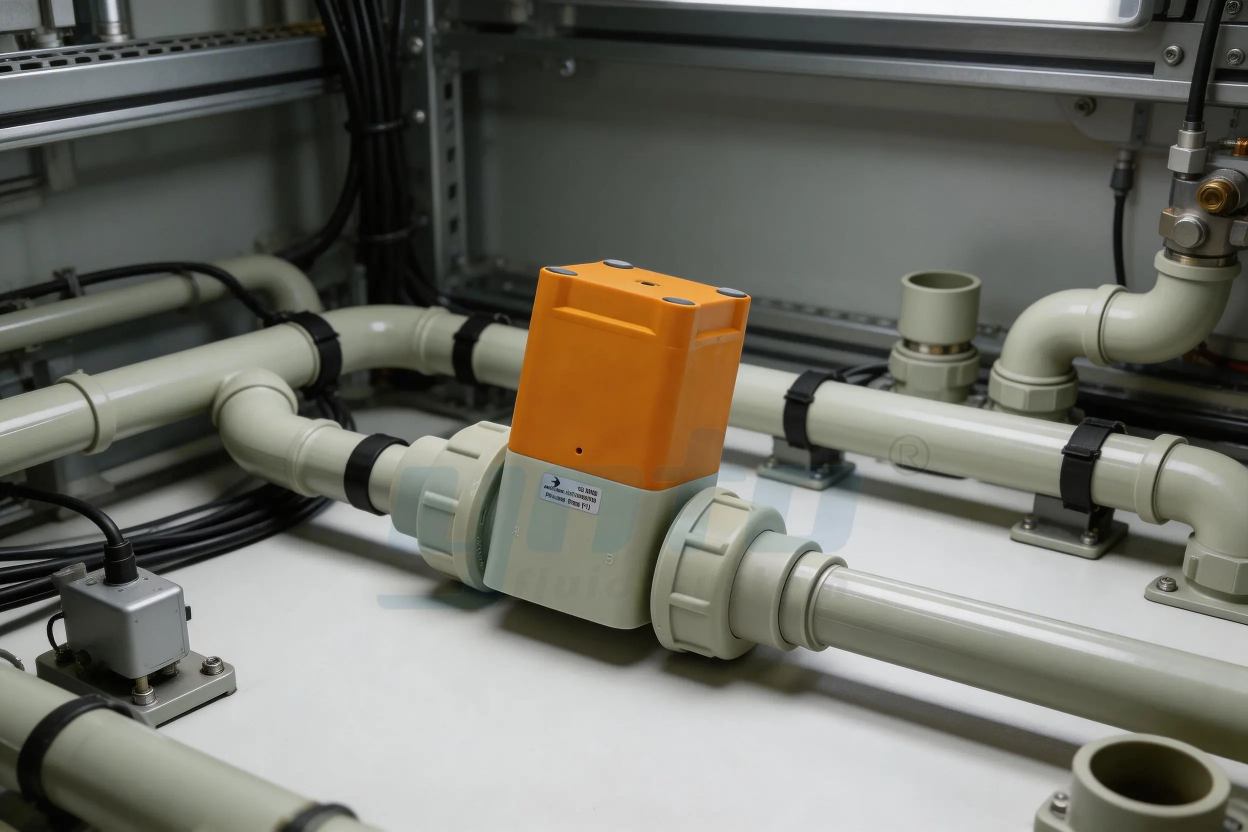
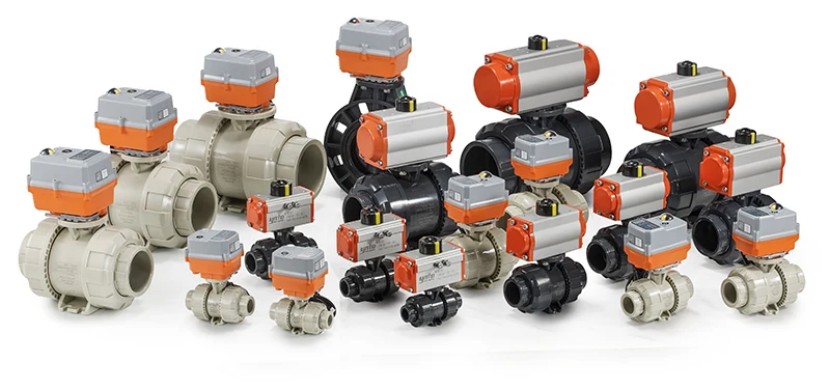
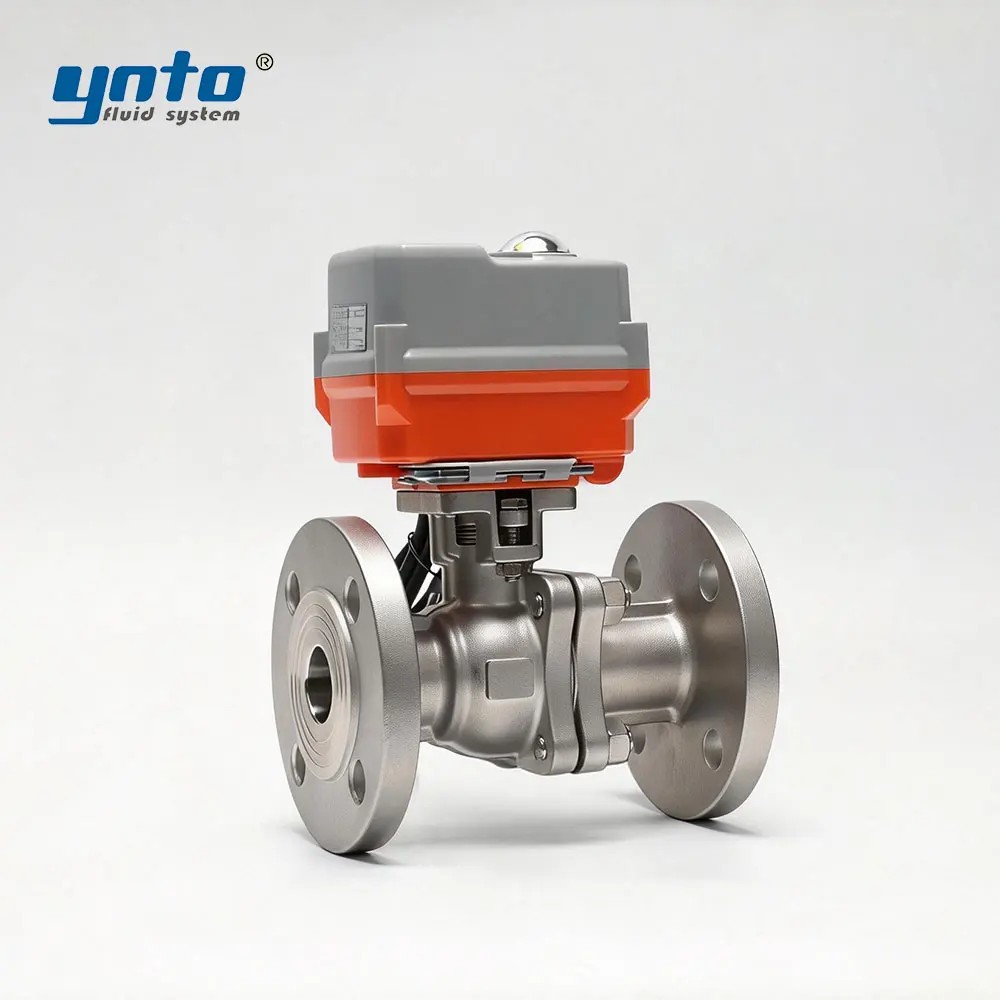
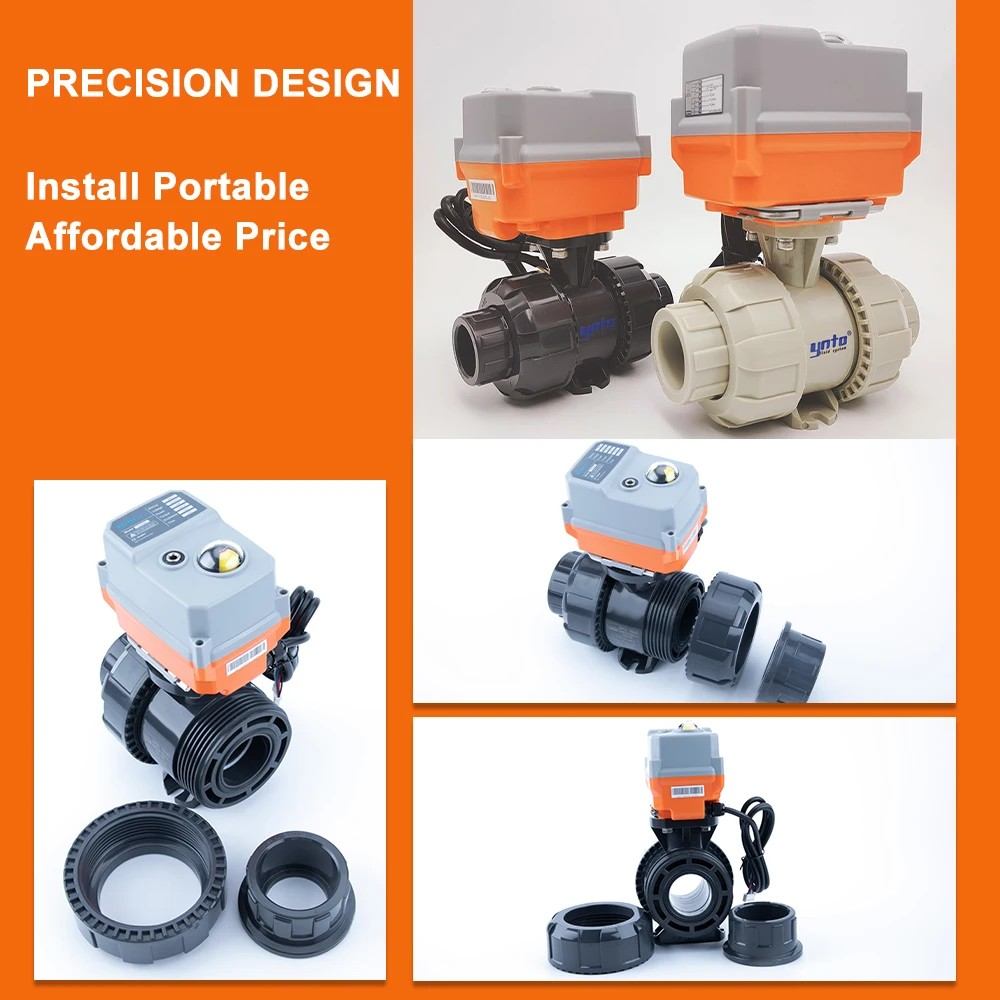
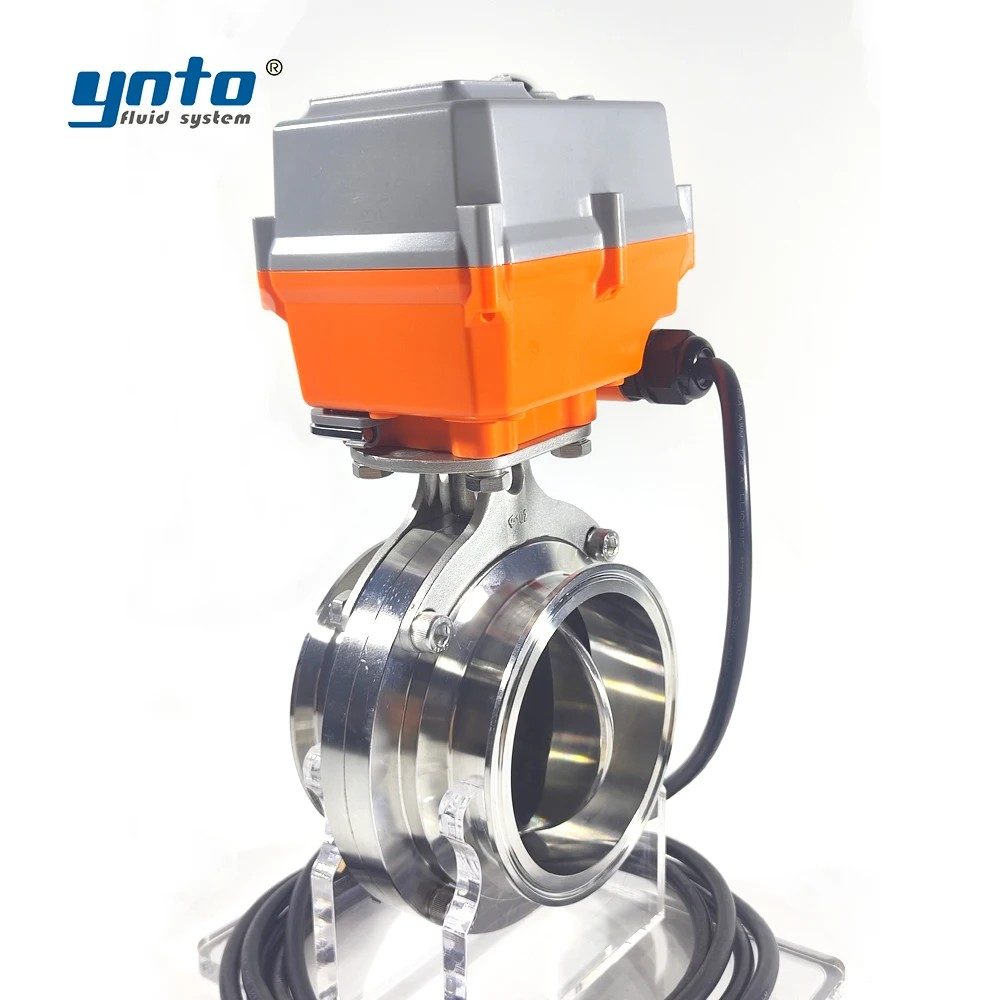
In practical terms, engineers often specify 316L stainless steel for higher corrosion resistance, especially around reclaimed water, chemical wash lines, or aggressive side streams. EPDM works well in many water services, while PTFE is preferred when chemical resistance and low friction are more important. On YNTO’s product pages, you can see the same design logic in available configurations such as EPDM-sealed and PTFE-sealed electric butterfly valves, as well as 316 stainless sanitary options. Where diaphragm isolation is useful, a diaphragm valve can help keep the actuator side separated from the process medium, which is valuable in corrosive or contamination-sensitive loops. In harsher installations, engineers may also move toward alloy steel, protective FBE coatings, or Halar-lined wetted parts depending on the chemistry and cleaning regime.
Types of Flow Balancing Valves
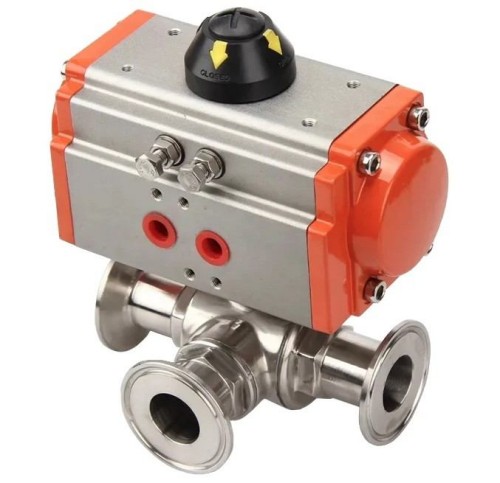
Not every balancing problem calls for the same valve type. Manual balancing valves still have a place where the hydraulic profile is stable and commissioning access is easy. Automatic balancing valves are better when demand changes frequently and maintaining design flow under variable differential pressure is critical. MBTEK’s flow balancing product page is a good illustration of where the market is moving: it combines dynamic balancing with electric zone switching in one valve body and uses motorized operation for automated control.
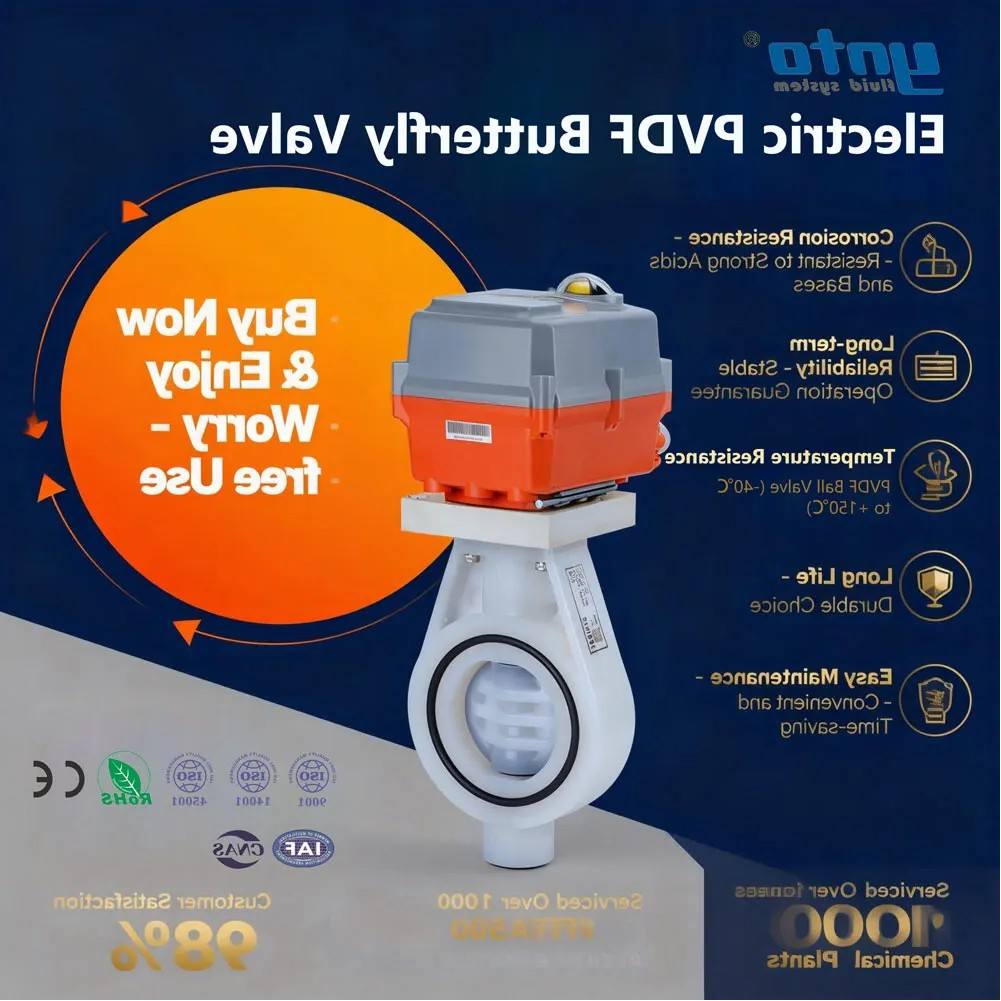
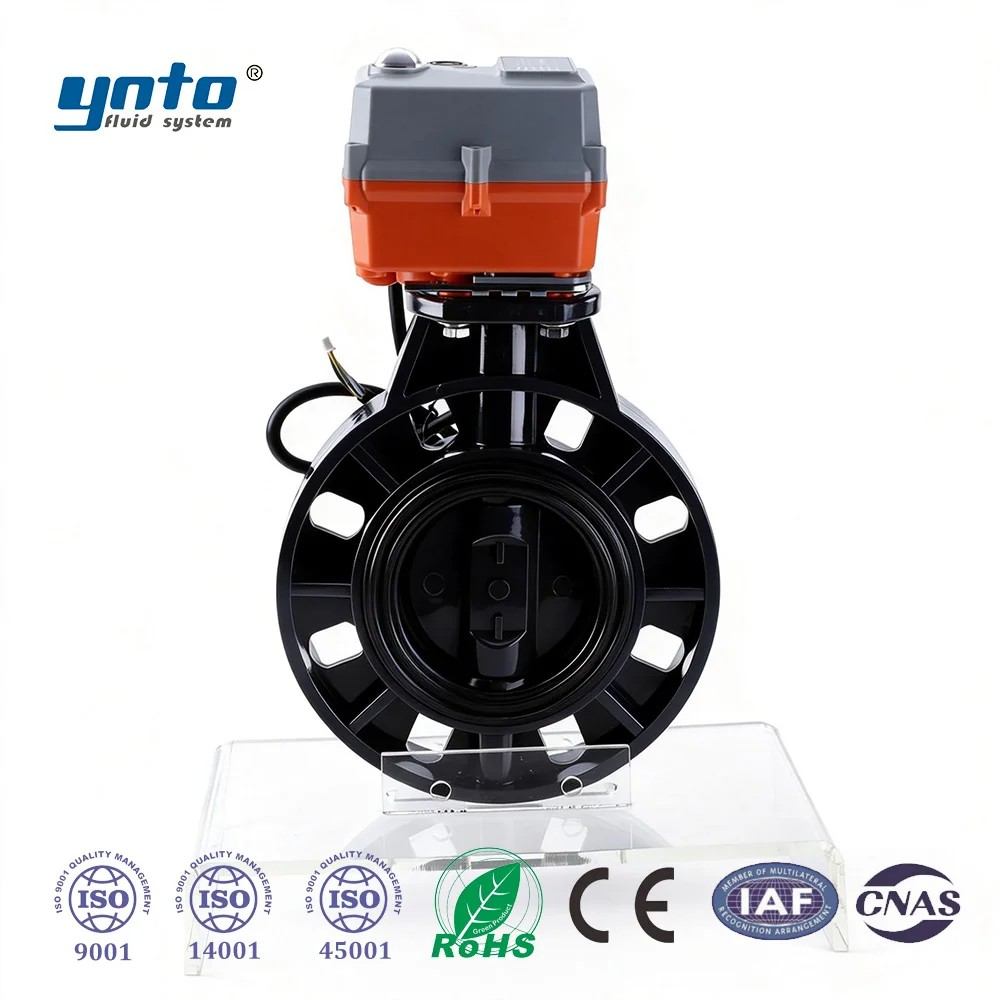
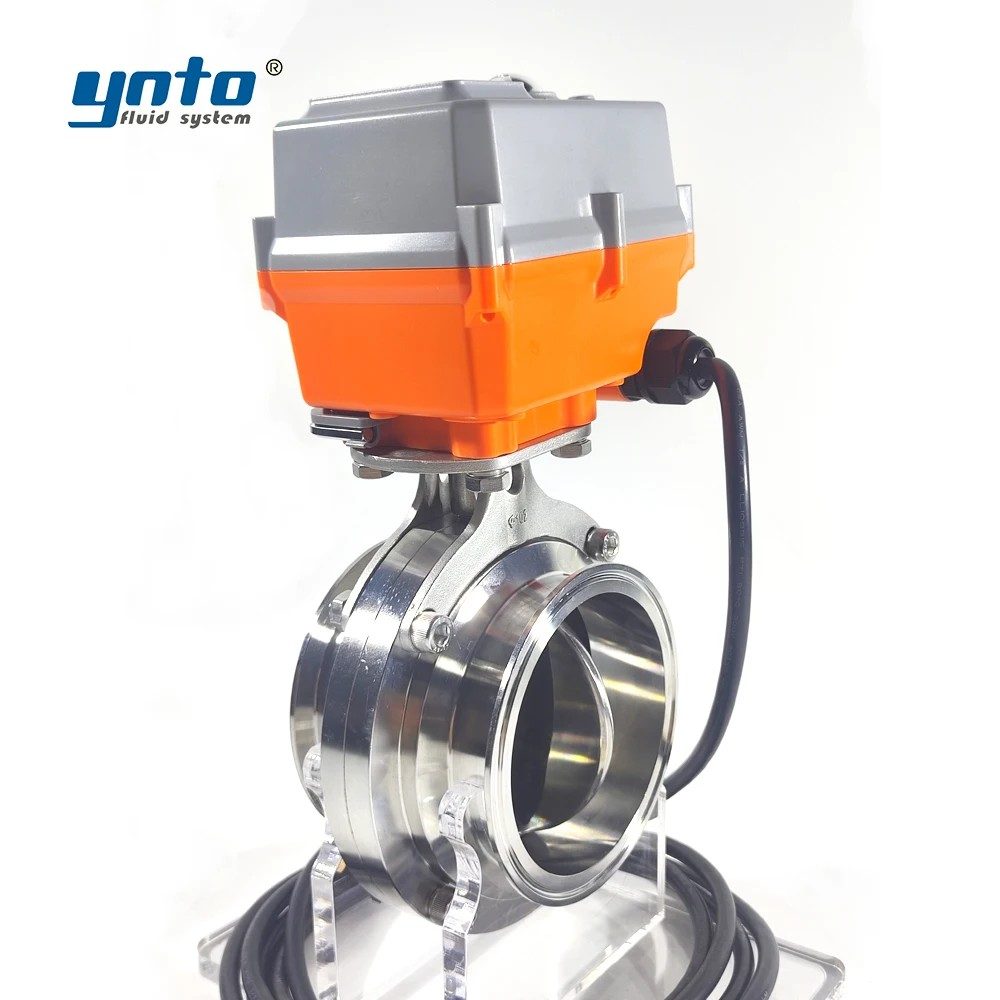
For larger lines in industrial water treatment, an electric butterfly valve is often attractive because it offers compact shutoff and good automation compatibility in larger diameters. Where finer throttling is required, a control valve provides better modulation and helps reduce hunting in changing-load systems. And in branches where corrosion resistance, low-maintenance actuation, or isolated wetted parts are priorities, diaphragm-based solutions remain relevant. YNTO’s catalog structure reflects this same selection logic across electric valves, actuators, control valves, and diaphragm valves.
Environmental Compliance Considerations
Regulatory Standards for Water Treatment
Environmental compliance starts long before a permit limit is tested in the lab. In the United States, EPA’s NPDES program under the Clean Water Act regulates point-source discharges and sets permit conditions that include limits, monitoring, and reporting requirements. That matters to balancing-valve selection because unstable hydraulic control can affect whether a facility stays consistently inside those permit conditions, especially on systems with variable influent, chemical dosing, or reuse targets.
Meanwhile, standards and project specifications shape the valve itself. ASME B16.34 covers pressure-temperature ratings, materials, dimensions, testing, and marking for many industrial valves in new construction. European wastewater engineering also sits within a standards framework; EN 12255 addresses general requirements for wastewater treatment plants, including sludge treatment and control/automation topics. In real projects, buyers also see API, ISO, and DIN requirements appear in datasheets and tender documents because those standards influence actuator interfaces, inspection criteria, pressure classes, end connections, and documentation expectations.

Impact of Flow Balancing on Compliance
The link between flow balancing and compliance is often indirect, but it is real. Engineers in commissioning usually notice it first as a process symptom: one filtration skid gets too much flow while another starves, or a dosing loop sees inconsistent dilution because branch pressure keeps shifting. If that pattern continues, chemical consumption rises, contact time becomes uneven, and effluent stability becomes harder to maintain. EPA’s NPDES framework makes clear that permit compliance relies on controlled discharge conditions and monitoring, not occasional good performance.
There is also a mechanical cause chain that maintenance teams know well. Pipeline pressure fluctuation causes micro-movement at the throttling element; micro-movement creates long-term wear on the seat and guiding surfaces; wear increases leakage or response delay; and once the response delay grows, operators chase the process with ever more correction. A second chain shows up after seasonal or chemical cycling: repeated temperature and chemistry swings fatigue soft-seal materials, seal fatigue creates light leakage, and leakage slowly erodes balancing accuracy. In industrial water treatment, these are not small issues. They become safety issues when pressurized chemical lines, caustic wash water, or biological wastewater escape into walkways, cable trays, or instrument panels.
Case Studies of Successful Implementations
Although public water-treatment case studies do not always isolate the valve as the only variable, research on active hydraulic control is increasingly clear. In a São Paulo catchment study, model-predictive control using controlled valves and gates achieved much stronger peak-flow reduction than passive control and also increased detention time enough to improve the water-quality proxy. That is a useful lesson for treatment engineers: when flow management systems stop reacting passively and start balancing flow dynamically, both hydraulic stability and environmental performance improve.
A wastewater-treatment optimization study in China reached a similar conclusion from a different direction. Using advanced control to optimize dissolved oxygen and chemical dosage, researchers reported lower cost, lower energy use, and lower greenhouse-gas emissions than the baseline strategy. The direct implication for valve automation is straightforward: better control architecture is only as good as the final control element that actually moves the fluid. A well-sized balancing valve with reliable actuation becomes part of that efficiency gain, not an afterthought.
Advantages of Using Flow Control Valves
Enhanced Flow Distribution
The most immediate benefit of a flow control valve in water treatment is better flow distribution. When one branch overdelivers, another branch underdelivers. Automatic balancing valves were developed precisely to stop that behavior by holding the intended flow as system pressure changes. If the correct balancing of the system is not established, some circuits get surplus flow, and others get inadequate flow, which is the classic recipe for unstable treatment performance.
For engineers working on site, the evidence is rarely theoretical. It shows up in inconsistent differential pressure, recirculation lines that never settle, control loops that hunt at low load, and actuators that seem to be moving constantly even though the process demand has barely changed. A balancing valve reduces those corrections by giving the system a steadier hydraulic base to work from.
Improved System Reliability and Longevity
Reliability improves when the valve is no longer forced to operate near the edge of its hydraulic comfort zone. Lower turbulence means less trim vibration. More stable differential pressure means lower stem side-loading. Better material matching means less corrosion and fewer surprise leaks. Red Valve specifically emphasizes abrasion-resistant, non-clogging designs for raw sewage, sludge, scum, and grit, while Valve Magazine notes that specially designed valves such as knife gate and eccentric plug valves are often preferred in wastewater because standard choices are not always suitable for solids-bearing service.
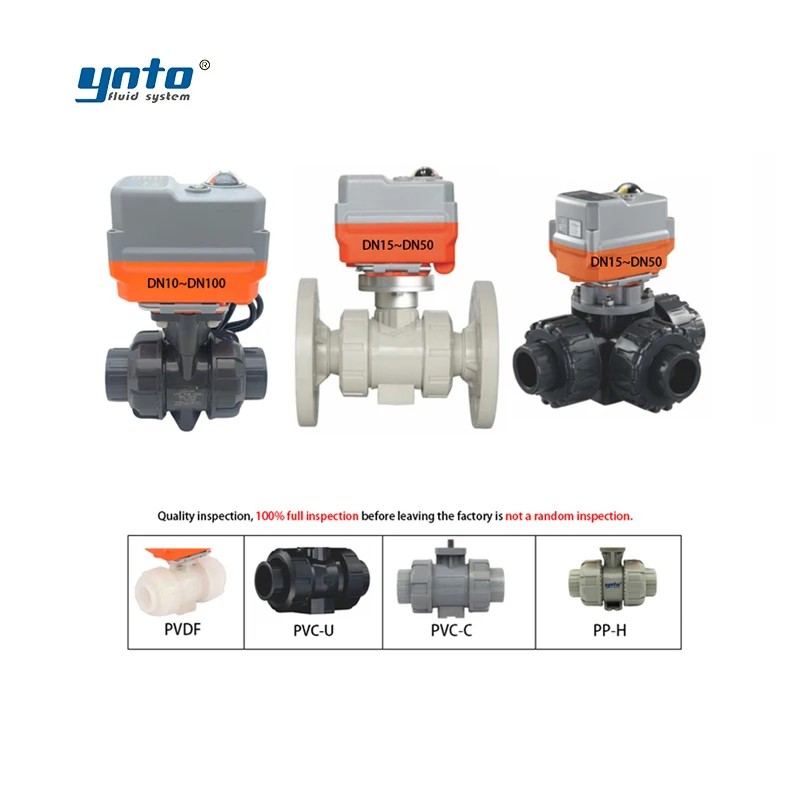
This is also where proper product selection starts to matter commercially. In many industrial water treatment projects, buyers are not just looking for a balancing valve. They are looking for a package: modulating valve body, actuator, control compatibility, corrosion-resistant wetted materials, and predictable maintenance intervals. That is why integrated electric valve solutions become attractive when the plant needs remote control, repeatable positioning, and easier integration with instrumentation and control systems.
Integrating Automation into Water Treatment Systems
Overview of Valve Automation Technologies
Automation has changed what engineers expect from a balancing valve. It is no longer just a commissioning device with test ports and a handwheel. In newer systems, the valve often sits inside a broader control scheme that includes SCADA, differential-pressure transmitters, mag meters, and position feedback. ValveMan’s product catalog, for example, places balancing valves alongside differential-pressure, electromagnetic, ultrasonic, vortex, and other flow measurement devices, which reflects how closely today’s hydraulic control depends on both measurement and actuation.
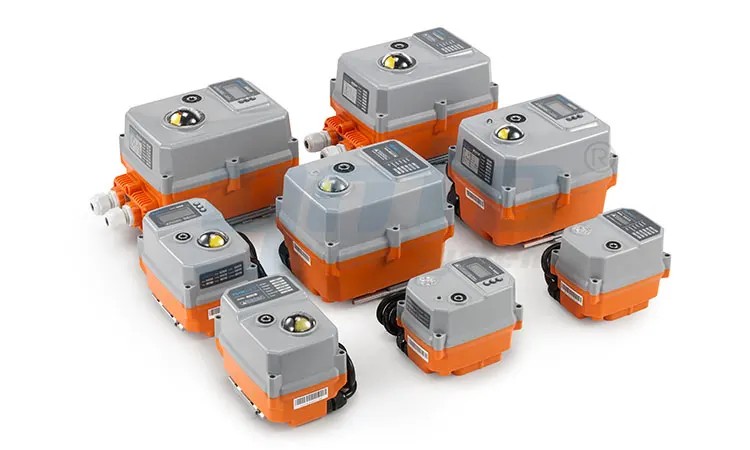
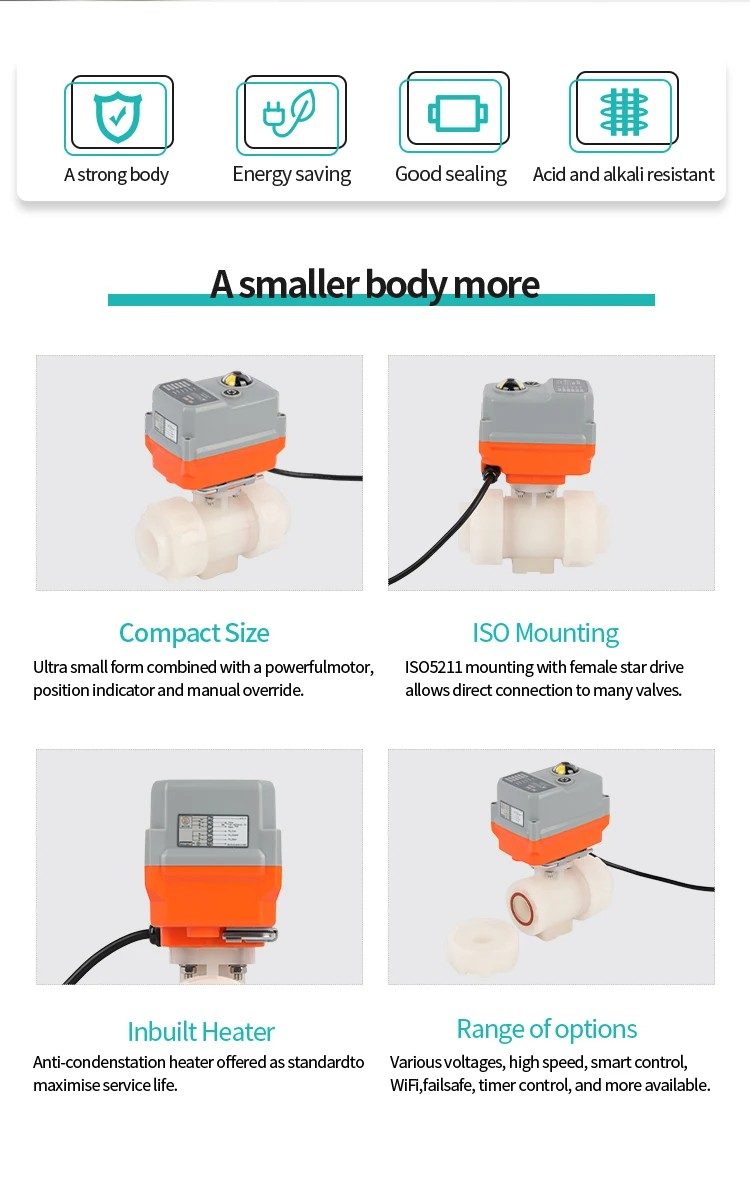
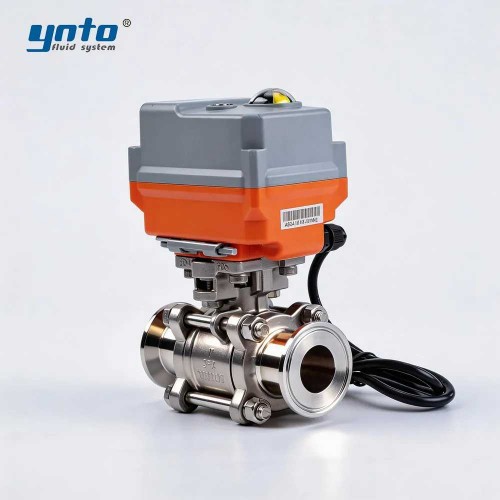
A modern automated branch will usually combine a modulating valve body with a reliable electric actuator. MBTEK’s example is direct: motorized operation allows remote or automated control and compatibility with building automation signals, while dynamic balancing and electric switching are combined in one compact assembly. The same concept translates well into industrial water treatment, where operators need steady flow distribution without sending technicians back to the valve pit for every seasonal adjustment.
Enhancing Operational Efficiency with Automation
Once automation is integrated properly, operational efficiency usually improves in several small ways rather than one dramatic leap. Pumps stop fighting unstable branch resistance. Operators see fewer alarms caused by oscillating flow. Chemical dosage becomes easier to tune. And the plant spends less time in manual intervention mode. In many field operations, that is the real value. Not glamour. Stability.
For buyers evaluating suppliers, this is where product range matters. YNTO’s catalog includes electric valves, electric butterfly valves, electric ball valves, control valves, diaphragm valves, and actuator options, which gives project teams more flexibility when they need to match valve geometry to process duty instead of forcing one product style into every line.
Future Trends in Automation for Water Management
The future direction is becoming clearer. Advanced control in water management is moving toward predictive operation rather than simple reactive control. Research in stormwater and wastewater already shows the value of model-predictive control and learning-based optimization for reducing peaks, extending detention time, lowering energy consumption, and improving sustainability outcomes. For valve engineers, that means the final control element must become more precise, more communicative, and easier to diagnose remotely.
Best Practices for Maintenance
Regular Inspection Procedures
Engineers in routine inspection often start with the same checks: compare upstream and downstream pressure under steady load, watch the actuator stroke time, inspect seals for dampness, and listen for noise at partial opening. A balancing valve that is drifting out of condition usually leaves clues early. Increased torque, delayed travel, unstable low-flow vibration, or a slight seepage line near the body joint are all warnings worth treating seriously.
Troubleshooting Common Issues
If the branch flow is unstable, do not assume the control logic is wrong first. In practice, a mechanical issue is often upstream of the digital symptom. Check whether solids have collected near the throttling point. Confirm whether the valve is oversized for the actual operating range. Look at whether EPDM or PTFE seats are still compatible with the current water chemistry. In wastewater service, Valve Magazine notes that solids content should drive valve selection, not just nominal pipe size.
Preventative Maintenance Guidelines
Preventative maintenance works best when it is tied to operating reality rather than calendar intervals alone. If the plant sees aggressive cleaning cycles, reclaimed water, chloride exposure, or frequent pressure transients, inspection frequency should rise. If the project requires pressure safety confidence, the specification should still come back to recognized standard families such as ANSI/ASME, API, ISO, and DIN. That is what keeps pressure boundary integrity, traceability, and test expectations from becoming vague once the equipment is installed.
Conclusion
Summary of the Importance of Flow Balancing Valves
A water treatment flow balancing valve is not a minor accessory. It is one of the quiet components that determines whether modern water management feels controlled or constantly corrected. When flow is balanced, treatment trains behave more predictably, automation becomes more effective, and maintenance turns from firefighting into planning. When flow is not balanced, the same plant burns energy, consumes chemicals inefficiently, and drifts closer to compliance risk.
Future Perspectives on Water Treatment Technologies
The next generation of industrial water treatment will rely even more on flow distribution, valve automation, and data-driven control. Plants are being asked to do more with less water, less energy, and tighter environmental expectations. That makes well-specified balancing valves a purchasing decision with process consequences. For project teams looking to upgrade branches, automate modulating loops, or simplify valve selection across treatment skids, YNTO’s range of electric valves, control valves, and automation-ready valve packages is worth evaluating against the actual hydraulic problems on site, not just the line size on the drawing.
- 2026-10-12 15:56:29
- 2026-10-09 14:26:55
.png?imageMogr2/format/webp)
- 2026-09-30 08:25:23