

Enhancing Chemical Handling with Wetted Parts PFA Valves
- 2026-04-20 22:57:06
- admin
- NO COMMENTS
Introduction
Definition of Wetted Parts
Picture yourself walking through a chemical process plant in the early hours of a summer morning. Steam rises off heated tanks and the quiet hum of pumps fills the air. As an engineer, you glance at a valve manifold and see a tell‑tale sign: droplets of acid weeping around a flange, even though the bolts are torqued correctly. Downstream, a flow meter oscillates despite constant pump speed. When you pull the valve apart, you find that the lining has blistered and fluid has seeped behind the liner. Such problems often arise because the wetted parts—the surfaces that contact process fluid—are not designed for the chemicals, temperatures or flow regimes in play. In valves, wetted parts include the body, seat, disc or ball, stem and seals that are exposed to the fluid.
Traditionally, these components were made of metals like stainless steel or alloys with liners to protect them, but harsh chemicals can attack even high‑alloy steels. Elastomeric seals swell or harden when exposed to solvents, causing leaks and torque spikes. Perfluoroalkoxy (PFA), a high‑purity fluoropolymer, offers a solution. Because PFA is chemically inert and has a smooth, non‑stick surface, it can be molded or lined onto valve components to protect them. PFA‑lined valves are widely used in semiconductor wet benches, pharmaceutical reactors and chemical delivery systems. In some designs, all wetted parts are made of PFA, meaning the fluid never touches metal. Understanding how these wetted parts behave and choosing the right materials is fundamental to enhancing chemical handling.
Overview of PFA Valves
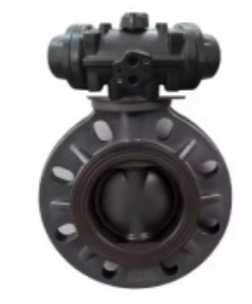
PFA valves come in various configurations: ball valves, butterfly valves, plug valves and diaphragm valves. They may be manually operated, pneumatically actuated or electrically controlled. Their common feature is a PFA liner or body that isolates the process fluid from metallic parts. Assured Automation’s selection guide describes their XLB series PFA‑lined ball valves as having a locked‑in PFA liner on all wetted parts, low torque for smaller actuators, and an anti‑blowout stem. The guide also highlights Teflon lined butterfly valves with substantial PFA liners, live loaded stem sealing and low torque. For corrosive services requiring quick quarter‑turn operation, PFA lined plug valves provide self‑draining designs with no body cavities. These examples illustrate the breadth of valve types available with PFA wetted parts, each tailored to different flow control duties.
PFA’s chemical inertness makes it suitable for handling acids, alkalis and solvents at elevated temperatures. In high‑purity industries, PFA eliminates the risk of metal contamination and particle shedding. Its transparency allows operators to verify fluid flow visually, and its non‑stick surface prevents buildup. When integrated into high purity valves and fluid handling systems, PFA delivers long service life even under aggressive conditions. The rest of this article explores how PFA valves enhance chemical handling, the applications and benefits of using valves with all‑PFA wetted parts, and what engineers should consider when selecting such products.
Applications of PFA Valves
High Temperature Valves in Chemical Processes
Within chemical plants, temperature swings can be extreme. In one acid leach process I worked on, sulfuric acid entered the reactor at 90 °C, and by the time it reached the neutralization stage it had cooled to 20 °C. Conventional valves suffered from thermal cycling: seals would harden, liners would crack, and operators noticed that the torque to turn the handle increased significantly. This is a classic cause‑effect chain: fluid temperature cycles → seal material fatigue → torque increase or leakage → process instability. PFA’s thermostability changes this dynamic. According to the Zenith PFA valve guide referenced in the cnynto article, PFA valves operate above 100 °C with ambient ratings to 60 °C. This thermal resilience allows them to handle hot acid baths in semiconductor cleaning and pharmaceutical synthesis without degradation.
High‑temperature processes also demand valves that maintain seal integrity under pressure. In Assured Automation’s catalog, their PFA‑lined ball valves are rated for temperatures up to 400 °F (204 °C) and pressures up to 246 PSI. Such ratings make them suitable for steam distribution or hot solvent extraction. In addition, PFA’s low friction coefficient ensures that valve torque remains consistent across temperature changes. Engineers working in high‑temperature service often specify PFA‑lined valves as part of broader high temperature valves offerings to ensure reliable operation under thermal cycling.
Corrosion Resistant Valves for Harsh Environments
Another common scenario involves exposure to aggressive chemicals. I recall a specialty chemical plant where an aqueous stream contained hydrofluoric and nitric acids. Stainless steel valves pitted within weeks, and PTFE‑lined valves delaminated when the operator inadvertently cycled them at high pressure. This illustrates the chain: corrosive medium → material mismatch → liner failure → product contamination and downtime. The cnynto guide notes that PFA has the highest chemical resistance of all Saunders® linings and is ideal for concentrated strong acids at high temperatures. PFA does not corrode or produce extractables, so ultra‑pure water and reagents remain uncontaminated.
PFA‑lined valves are therefore widely used in semiconductor manufacturing, where hydrofluoric acid etches oxide layers, and in chemical delivery systems carrying concentrated acids and bases. Entegris’ SG series valves, for example, have all‑PFA wetted surfaces and are used in CMP (chemical mechanical polishing) and high‑purity chemical handling. For bioprocessing, where cleaning agents include caustic sodium hydroxide or hydrochloric acid, PFA valves maintain integrity and avoid leaching. In these contexts, engineers may explore chemical resistant valves or corrosion resistant piping solutions to ensure full system compatibility. Material selection extends beyond the valve body; even bolts and actuators must resist corrosion, often requiring PTFE coatings or duplex stainless steels.
Advantages of High Purity Valves
Ensuring Clean Processes
For many industries, the driving factor behind adopting PFA valves is cleanliness. In ultra‑pure applications, even trace contaminants can ruin product. The cnynto article emphasizes that PFA diaphragm valves combine crevice‑free geometry with all‑PFA wetted parts, eliminating dead pockets where media could stagnate. When paired with clean in place (CIP) technology, these valves allow cleaning solutions to flush every wetted surface without disassembly. As an engineer, I’ve seen manual cleaning leave behind invisible films; CIP with PFA valves prevented such residues, and conductivity readings returned to baseline quickly. This cause‑effect chain is clear: crevice‑free design + smooth PFA surfaces → complete cleaning → stable pressure profiles.
PFA’s non‑stick surface also resists adsorption of proteins or polymers, reducing cross‑contamination when switching batches. In drug manufacturing, this means that allergens or active ingredients do not carry over, aiding compliance with FDA Good Manufacturing Practice (GMP) requirements. In microelectronics, eliminating metallic contamination prevents yield‑critical defects. By specifying PFA valves within a high purity valves framework, facilities demonstrate commitment to purity and quality.
Reducing Contamination Risks
Contamination is not limited to chemical impurities; microbial growth in dead legs or stagnant pockets can also threaten product quality. Discussions about dead legs in purified water systems highlight the risk: dead legs become breeding grounds for microbial growth, biofilms and endotoxin formation. Guidelines suggest keeping dead legs short, but the best approach is eliminating them altogether. PFA valves with diaphragm or weir designs achieve this by aligning the flow path and removing pockets. In a biotech facility I visited, switching to PFA diaphragm valves cut microbial counts in rinse water by orders of magnitude, and the team no longer had to schedule high‑temperature SIP cycles between batches.
Moreover, the absence of elastomeric O‑rings in many PFA designs means there are fewer sites for microorganisms to latch onto. Flexural life is another factor: Parker’s microelectronics catalog reports that PFA diaphragms provide over five times the flexural life of PTFE, reducing the risk of fatigue cracks that might harbor contaminants. With fewer cracks and longer life, maintenance intervals are extended, and the risk of unexpected leaks decreases. These benefits resonate with those seeking fluid handling solutions that prioritize hygiene.
Fluid Handling Efficiency
Impact on Process Flow
Flow efficiency is critical in chemical operations. When I evaluate a system, I look at valve pressure drop and how it affects pump sizing. PFA‑lined ball valves feature a full port design that provides unrestricted flow. In a system transferring viscous polymer solutions, replacing standard valves with full port PFA ball valves reduced differential pressure by 20%, allowing us to downsize the pump. PFA lined butterfly valves similarly offer improved disc designs that deflect less under pressure and maintain tighter seals. In Entegris’ Integra® Plus WS valves, the weir‑style body streamlines the flow path and eliminates dead volume. These features translate to stable flow and lower energy consumption.
When process flow is unstable, engineers often observe cavitation or vibration at low flow rates. In one case, a control valve handling caustic soda exhibited unstable vibrations at 20% open, wearing out the seat prematurely. The underlying cause chain was: small flow rates → dead volume and recirculation → valve micro‑vibrations → seat wear. PFA plug valves with self‑draining, cavity‑free designs prevent recirculation. Their quick quarter‑turn rotation and laminar flow path maintain smooth flow across a wide range of openings. By eliminating recirculation zones, they reduce vibration and noise while protecting downstream equipment.
Cost Efficiency through Improved Design
Investing in high‑quality PFA valves yields long‑term savings. Engineers often face the trade‑off between upfront cost and lifecycle cost. As Sanipure notes in their analysis of zero dead leg sanitary valves, although the initial investment is higher, the reduction in contamination risk and operational downtime makes these valves economically advantageous in the long run. The same logic applies to PFA valves. When we replaced standard PTFE‑lined valves with PFA‑lined valves in a semiconductor chemical distribution box, we eliminated routine replacements and service calls. Over two years, maintenance costs dropped by nearly 40%.
PFA valves also reduce CIP time and chemical consumption. Because cleaning solutions do not need to dissolve deposits, CIP sequences can be shorter and more efficient. This saves energy, water and chemicals. Automated CIP reduces labour costs and ensures consistent cleaning quality. Additionally, the low torque of PFA‑lined valves means smaller actuators can be used, cutting capital costs and power consumption. In a large plant with hundreds of valves, these savings add up significantly. For operations considering sustainable design, improved efficiency supports environmental goals and reduces the carbon footprint.
Selection Criteria from Industrial Valve Suppliers
Assessing Chemical Compatibility
When selecting PFA valves, engineers must match the valve materials to the chemicals being handled. PFA generally resists a wide range of acids, bases and solvents; however, certain fluorinated oxidizers or perfluorinated solvents may require specialized grades. Industrial valve suppliers such as Assured Automation list the materials used in their products: bodies of ductile iron PFA lined or stainless steel, balls and stems with PFA linings, and PTFE seats. They also provide temperature and pressure ratings to ensure compatibility with process conditions. For extremely corrosive or high‑pressure services, engineers might specify valves with Hastelloy or super duplex bodies coated with PFA and select seats of PTFE, EPDM or FKM depending on chemical compatibility.
Chemical compatibility assessments should consider not only the primary reactants but also cleaning solutions, solvents and by‑products. In CIP systems, caustic washes followed by acid rinses require materials that handle rapid pH swings. For example, PFA lined plug valves perform well in corrosive duty, with locked‑in liners and self-cleaning action. Consulting with industrial valve suppliers or using compatibility charts helps determine whether PFA alone is sufficient or if a more resistant coating is needed. For extremely high temperatures combined with strong oxidizers, a combination of PFA and metallic alloys such as Alloy C‑276 may be required.
Evaluating Performance Specifications
Beyond chemistry, performance specifications determine whether a PFA valve will meet process requirements. Engineers examine CV (flow coefficient), pressure drops, torque requirements and actuation options. The PFA lined ball valves in Assured Automation’s catalog feature full port designs that minimize pressure drop and allow for high CV values. Butterfly valves in the XLD series maintain tight seals at high pressures due to live loaded stem seals. Plug valves offer laminar, cavity‑free flow and quick quarter‑turn operation. A good supplier will provide performance curves and sizing software to match valve size to desired flow rate and pressure drop.
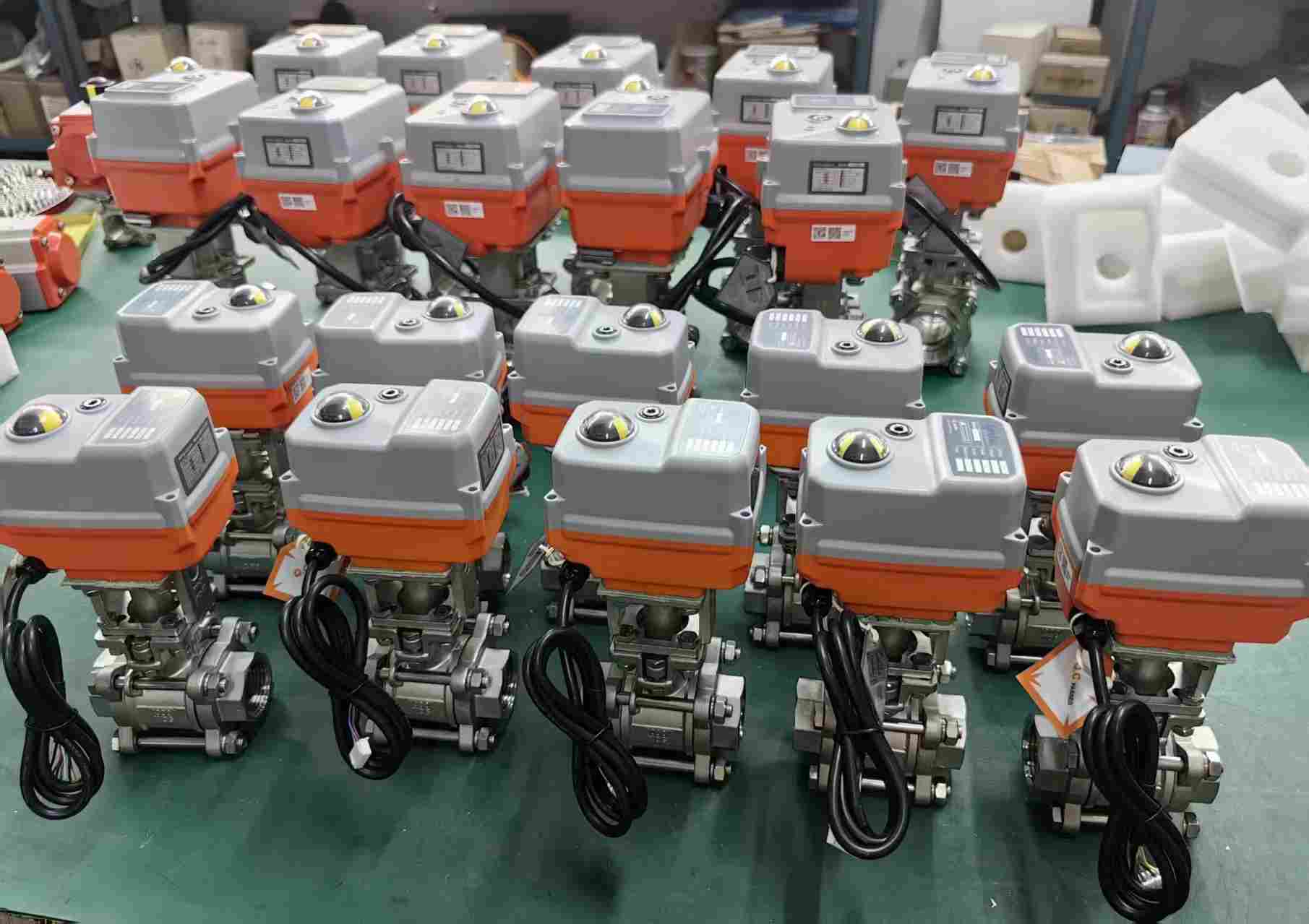
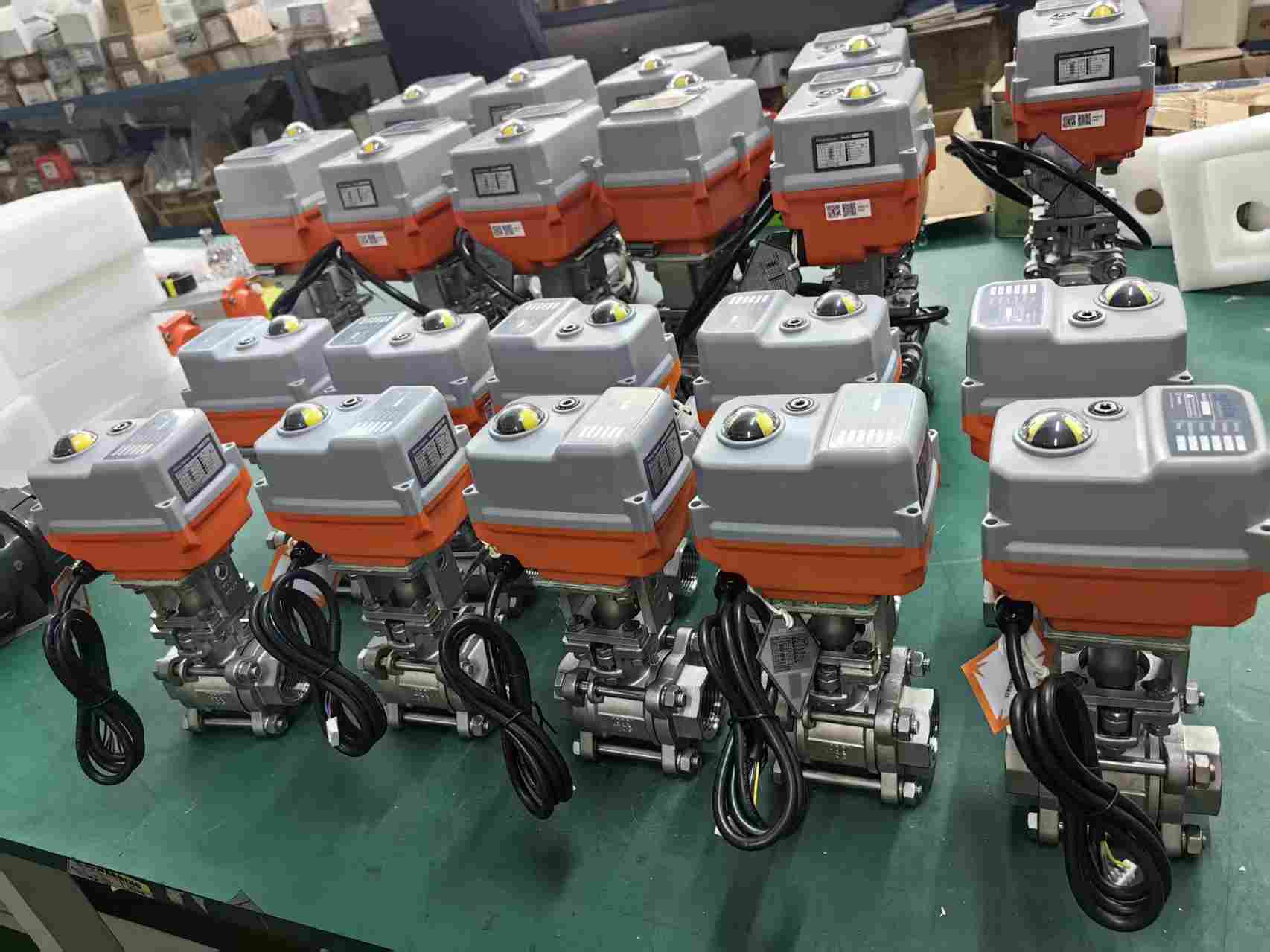
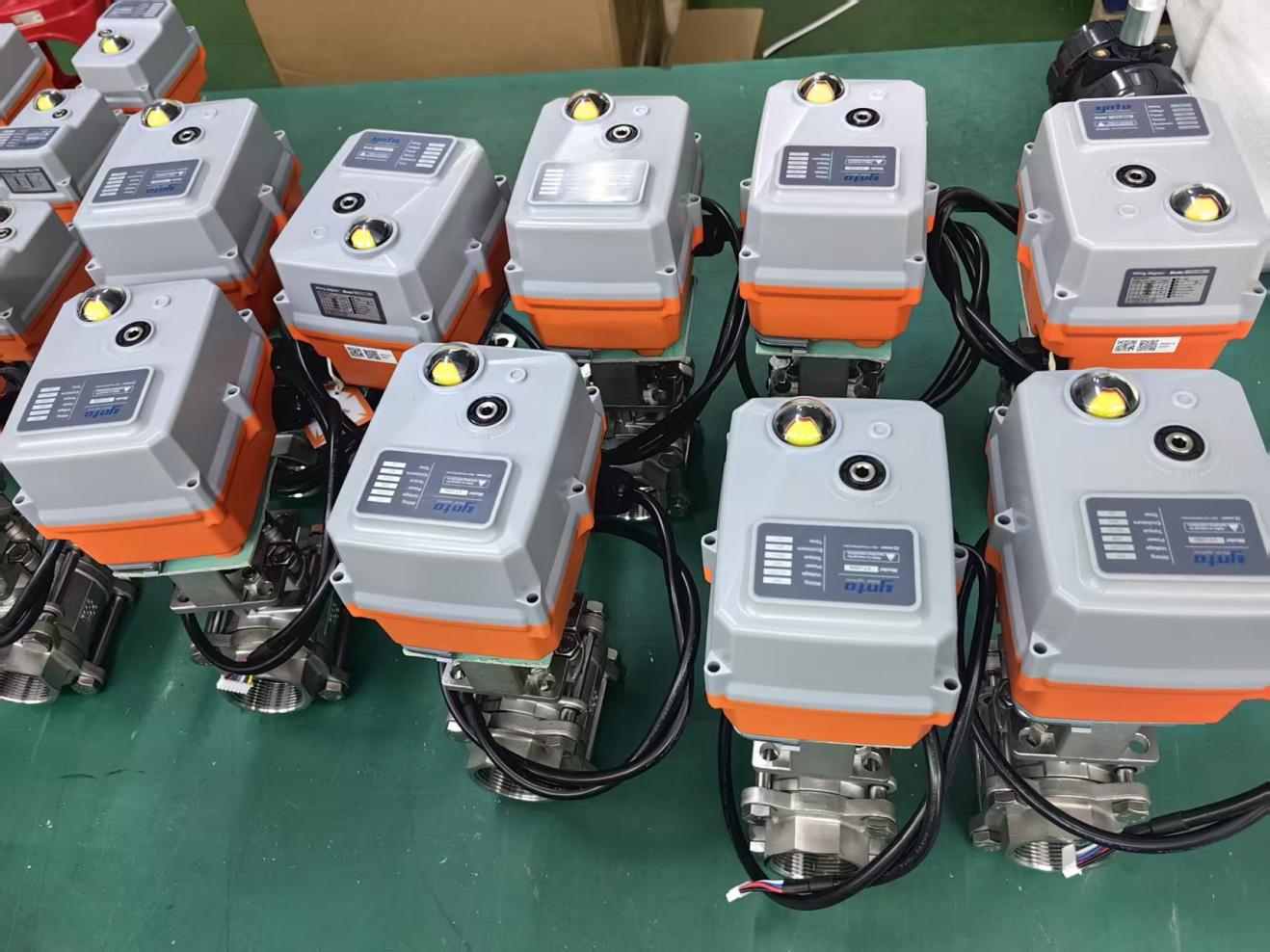
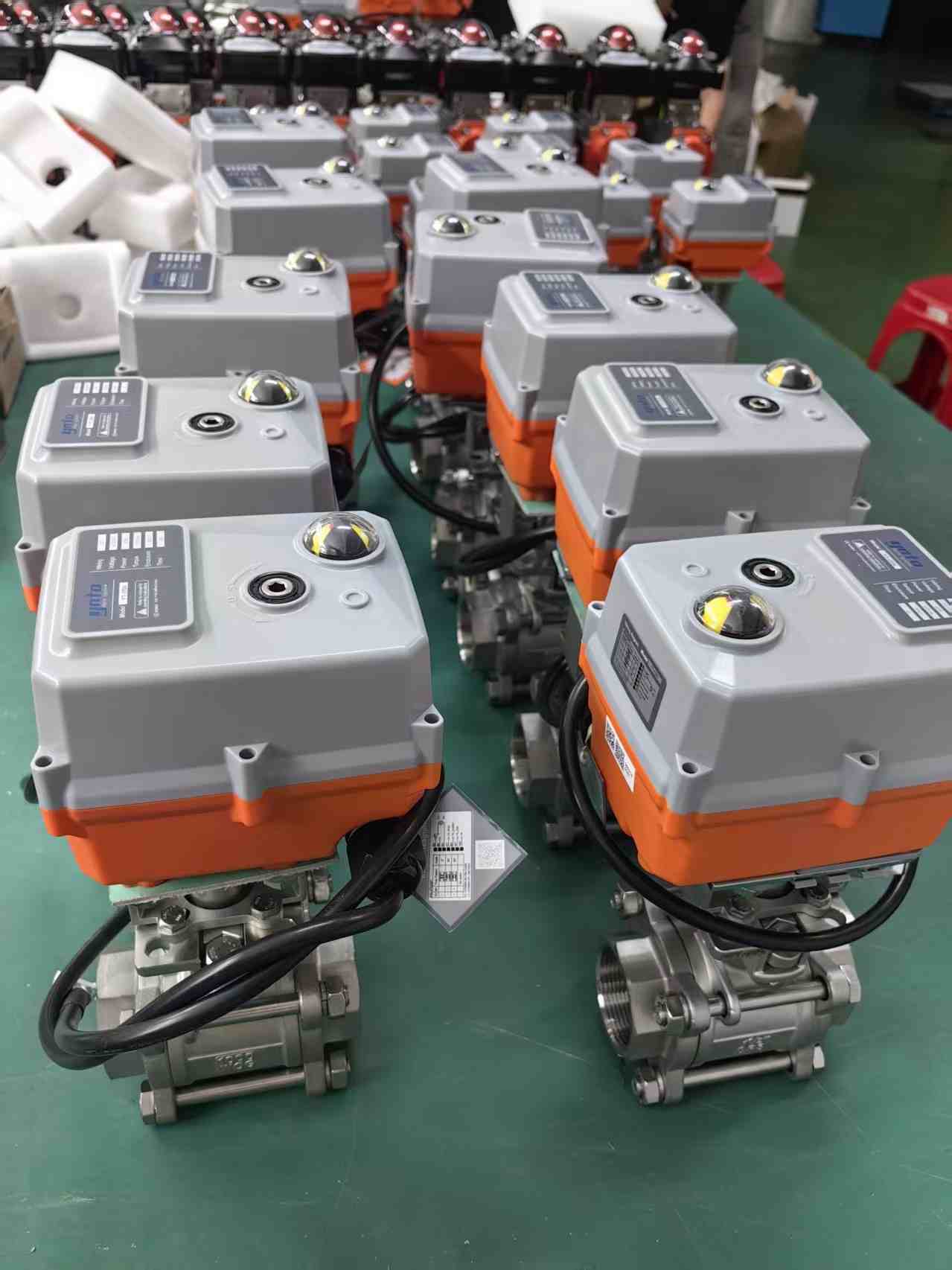
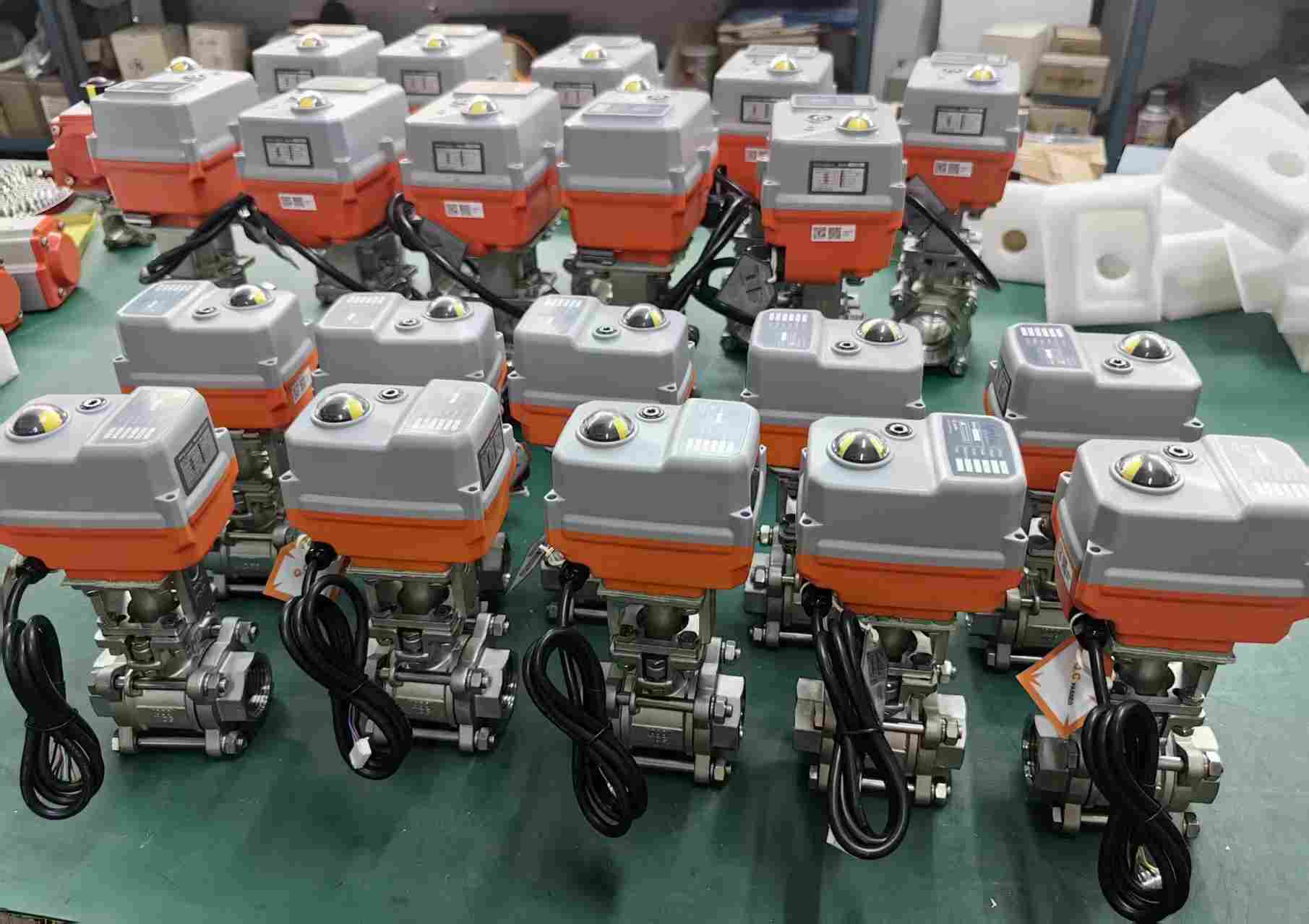
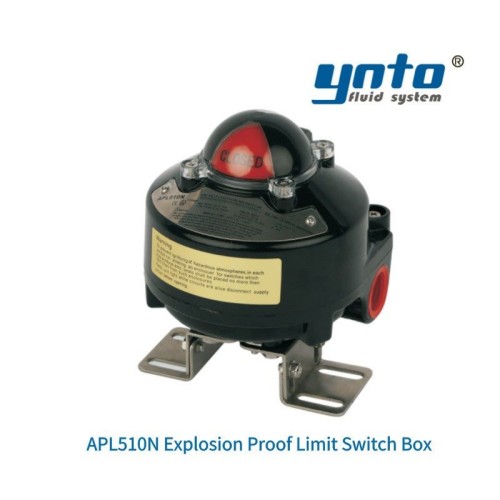
Actuation is another key factor. Manual valves may suffice for small lines or infrequent operation, but automated processes often require electric or pneumatic actuators. PFA valves come with ISO 5211 mounting pads for direct mount actuators. When integrated into control loops, pneumatic actuators allow precise modulation, while electric actuators offer fine positional control and network integration. Considering the environment is also critical; electric actuators may not suit hazardous locations, whereas pneumatic actuators require compressed air. In selecting valves, engineers should balance actuation needs against safety and maintenance considerations. Many industrial suppliers provide assistance with actuation selection and can supply valves pre‑assembled with actuators, reducing installation time.
Conclusion
Recap of Key Advantages
Wetted parts PFA valves provide a robust solution for enhancing chemical handling. By isolating the process fluid from metal surfaces, they prevent corrosion and contamination. The full port designs of PFA ball valves minimize pressure drop and enable high flow rates. PFA butterfly valves offer live loaded shaft seals and low torque, delivering tight shut‑off with minimal actuation effort. Plug valves with cavity‑free construction ensure laminar flow and quick quarter‑turn operation. In diaphragm valves, all‑PFA wetted parts and crevice‑free geometry support CIP and SIP, ensuring hygienic operation and reducing contamination risks.
The chemical inertness of PFA confers broad compatibility with acids, bases and solvents and allows operation at temperatures above 100 °C. PFA’s smooth surface prevents adsorption and facilitates complete cleaning. Its flexibility yields longer flexural life compared to PTFE, reducing maintenance. When coupled with advanced automation, PFA valves integrate seamlessly into modern chemical handling systems. In high purity manufacturing, they represent a critical component of contamination control, ensuring that process integrity is maintained from raw materials to final product.
Future Directions in Valve Technology
Looking ahead, the evolution of PFA and fluoropolymer valves is intertwined with broader trends in fluid handling. Manufacturers are exploring 3D‑printed PFA components that enable complex geometries with zero dead volume and integrated sensors. Embedded pressure and temperature sensors within valve bodies will provide real‑time data for predictive maintenance and process optimization. Advances in surface finishing, such as plasma etching, may further reduce surface roughness and minimize particle shedding. There is also growing interest in single‑use diaphragm valves made from high‑grade polymers for biopharmaceutical production, eliminating cleaning validation and cross‑contamination risks.
Automation will continue to shape valve technology. Smart valves equipped with microcontrollers and network connectivity will communicate with plant control systems, adjusting flow dynamically and reporting health status. Integration of PFA valves into modular manifolds will reduce the number of connections and potential leak points. As regulatory requirements tighten and sustainability becomes paramount, the choice of materials may expand to include new fluoropolymer blends and recyclable composites. Engineers should stay informed about emerging technologies and consult fluoropolymer valves and fluid handling solutions providers for the latest offerings.
In conclusion, wetted parts PFA valves bring together chemical resistance, high purity, and efficiency in a single package. By adopting these valves, industries handling corrosive or high‑purity fluids can achieve reliable operation, lower maintenance and improved process control. Whether in semiconductor fabrication, pharmaceutical manufacturing or specialty chemicals, engineers can enhance their systems by specifying PFA‑lined valves and designing for fluid handling efficiency. The future promises even greater integration, automation and sustainability for PFA valve technology.
- 2026-10-19 08:49:57
- 2026-10-16 10:48:59
- 2026-10-15 14:23:43